Spring Flower Watercolor Clipart: Strategic Value for Creative and Commercial Projects
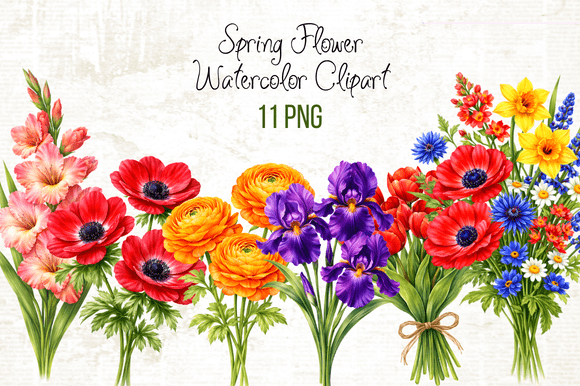
Spring Flower Watercolor Clipart is more than a decorative element—it's a versatile digital asset that supports a wide range of creative and professional goals. Comprising 11 high-resolution PNG files with transparent backgrounds, this collection offers a soft, hand-painted aesthetic that aligns with themes of renewal, femininity, and natural beauty. Whether you're a small business owner, digital creator, or educator, integrating this clipart strategically can enhance your branding, streamline design workflows, and elevate the visual appeal of your output.
Understanding Spring Flower Watercolor Clipart
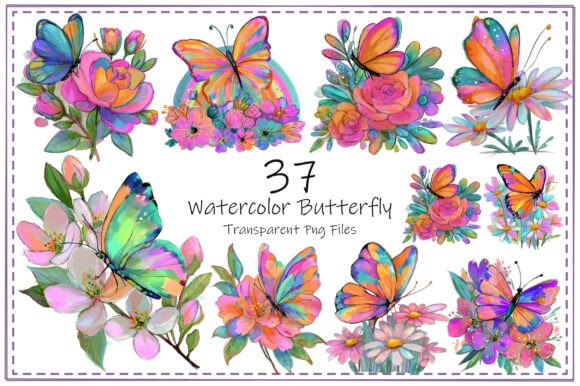
Spring Flower Watercolor Clipart typically features botanical illustrations rendered in soft, pastel tones with a delicate, hand-painted texture. These elements are ideal for projects that require a gentle, romantic, or vintage-inspired visual tone. The 300 DPI resolution ensures clarity for both digital and print applications, making them suitable for everything from wedding invitations to digital marketing assets.
What sets this type of clipart apart is its flexibility. The transparent backgrounds allow for seamless integration into layered designs, while the watercolor style provides a timeless quality that avoids the dated look of overly stylized graphics. This makes Spring Flower Watercolor Clipart a durable choice for creators seeking to build a cohesive and enduring visual identity.
Strategic Applications Across Industries
For entrepreneurs and marketers, Spring Flower Watercolor Clipart can support seasonal campaigns, brand storytelling, or product packaging design. The imagery evokes themes of growth and renewal, making it particularly effective for wellness, beauty, and lifestyle brands during spring promotions.
- Use in social media graphics to create a cohesive seasonal aesthetic
- Incorporate into email newsletters to enhance visual engagement
- Design branded print materials like flyers or thank-you cards
Educators and content creators can utilize these graphics to enhance lesson plans, digital worksheets, or online course materials. The soft, non-distracting visuals help maintain focus while adding visual warmth to educational content.
Hobbyists and crafters benefit from the clipart's compatibility with sublimation printing, scrapbooking, and journaling. The PNG format allows for easy resizing and layering, making it accessible even for those with limited design experience.
Planning and Positioning for Maximum Impact
Before incorporating Spring Flower Watercolor Clipart into your project, consider your audience, message, and medium. For example, a luxury brand may want to use minimal, high-contrast compositions to maintain sophistication, while a children's product line might benefit from more vibrant layering and playful arrangements.
Align the clipart with your broader visual strategy. If your brand uses a muted or pastel color palette, these graphics can serve as a natural extension of your design language. However, if your brand leans toward bold, modern visuals, consider using the clipart sparingly to avoid diluting your identity.
Execution: Best Practices for Implementation
To ensure professional results, follow these practical steps:
- Test in context: Preview the clipart within your full design layout to assess visual balance and readability.
- Maintain resolution: Always work at the original 300 DPI when preparing print materials to avoid pixelation.
- Layer thoughtfully: Use the transparent backgrounds to integrate the clipart into layered compositions without overwhelming the design.
- Limit color manipulation: Excessive editing can degrade the hand-painted effect. Adjust hues subtly if needed.
These practices help preserve the integrity of the artwork while ensuring it supports your project's functional and aesthetic goals.
Long-Term Value and Creative Sustainability
When used intentionally, Spring Flower Watercolor Clipart contributes to a sustainable creative workflow. Its adaptability across formats and platforms means it can be repurposed over time, reducing the need for repeated design investments. Additionally, the timeless appeal of watercolor floral art ensures that your materials remain visually relevant beyond a single season.
Consider building a design asset library that includes this clipart alongside complementary fonts, templates, and color palettes. This systematizes your creative process and allows for faster, more consistent output—especially valuable for content creators and small business owners managing multiple projects.
Common Pitfalls and How to Avoid Them
One of the most common misuses of clipart is applying it without strategic intent. Using Spring Flower Watercolor Clipart randomly—without considering brand alignment or audience expectations—can lead to inconsistent visuals and diluted messaging.
To avoid this, establish a clear use case before placing any element:
- Does the clipart enhance the user experience or support the message?
- Is it consistent with the brand's visual tone?
- Will it remain relevant beyond a single campaign or season?
Additionally, be cautious about overuse. Even high-quality clipart can lose its impact when repeated excessively or applied inappropriately across unrelated contexts.
Conclusion: Making Intentional Design Choices
Spring Flower Watercolor Clipart is not just a decorative tool—it's a strategic asset that can support branding, communication, and creative efficiency when used with purpose. By aligning its application with your goals, audience, and visual identity, you can maximize its impact and longevity.
Whether you're designing a product cover, a marketing campaign, or a personal journal, take the time to plan how and why you're using each element. This intentional approach ensures that your creative efforts produce meaningful, measurable results—not just beautiful visuals.