33 Celtic Round Ornament Silhouette Set: Practical Design Tips and Common Mistakes to Avoid
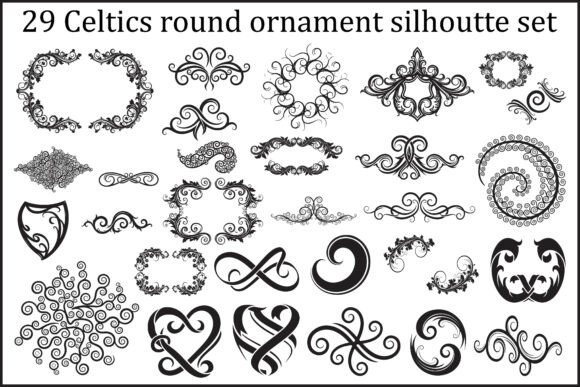
Designers and creators looking for elegant, culturally rich visual elements often turn to Celtic patterns. The 33 Celtic Round Ornament Silhouette Set offers a versatile collection of 29 unique designs, each available in multiple file formats including EPS, SVG, PNG, and JPG. These silhouettes are ideal for branding, invitations, logos, prints, and digital projects, thanks to their intricate detailing and adaptability across media. However, even with such a well-crafted set, users can run into issues if they overlook certain key considerations.
What Makes This Set Stand Out?
The 33 Celtic Round Ornament Silhouette Set is more than just a collection of decorative images. It's a professional-grade resource designed to provide flexibility and quality. Each of the 29 silhouettes comes in four formats, ensuring compatibility with a wide range of design tools and applications. The vector files (EPS and SVG) allow for full customization, while the PNG and JPG versions offer immediate usability for both print and digital work.
These ornamental elements are rooted in traditional Celtic knotwork and symbolism, making them ideal for projects that require a sense of history and craftsmanship. Whether you're creating wedding invitations, logo designs, or educational materials, this set can elevate your visuals with minimal effort.
1. Choosing the Wrong File Type for the Task
One of the most frequent errors is using a file format that doesn't suit the intended application. For example, using a JPG instead of an SVG for laser cutting or web design can lead to quality loss or unnecessary limitations. SVG files are scalable without resolution loss, making them ideal for web and digital design, especially for platforms like Cricut or Silhouette machines. PNG files are great for overlays and mockups with transparent backgrounds, but they’re not editable like vector files.
Better Approach: Always check your project's requirements before downloading. Use SVG or EPS for editing and scaling, PNG for digital overlays, and JPG for quick previews or print drafts.
2. Overlooking the Need for Customization
Some users assume that because these are silhouettes, they can't be customized. This is incorrect. The EPS and SVG formats allow for full editing of color, size, and shape. Not taking advantage of this can result in a generic look that doesn’t align with your brand or design goals.
Better Approach: If you're using vector software like Adobe Illustrator or free tools like Inkscape, open the SVG or EPS files and adjust the elements to match your color scheme or layout. This personalization can make a big difference in the final output.
3. Ignoring Resolution and Scaling Limits with Raster Files
Many users mistakenly scale JPG or PNG files beyond their recommended size, which leads to pixelation and poor print quality. Since these are raster formats, they don’t scale as well as vectors.
Better Approach: Use PNG or JPG files only at or below their original resolution. For print projects that require resizing, always opt for the EPS or SVG version to maintain clarity and sharpness.
4. Not Verifying File Compatibility with Design Software
Not all design tools handle every file type equally. Some platforms may not support SVG or EPS, especially if you're using a basic image editor or older software. This can lead to wasted time trying to open or convert files unnecessarily.
Better Approach: Before purchasing or downloading, confirm which file types your software supports. If you're using a program like Canva or Cricut Design Space, SVG is usually the best option. For Photoshop or general image use, PNG or JPG will work best.
5. Using Too Many Ornamental Elements at Once
While the set includes 29 distinct designs, that doesn’t mean you should use them all in one project. Overloading your design with too many Celtic elements can make it look cluttered and distract from the main message or visual focus.
Better Approach: Select 2–3 complementary silhouettes that enhance your design without overpowering it. Use spacing and alignment techniques to ensure the ornaments support rather than overwhelm your layout.
What to Check Before Downloading or Using the Set
Before you start incorporating the 33 Celtic Round Ornament Silhouette Set into your project, take a few minutes to verify the following:
- File Formats: Confirm which formats are included and whether they match your software needs.
- License Type: Make sure the usage rights align with your project—especially if it's for commercial use.
- Compatibility: Test a sample file if available to ensure it works with your tools.
- Resolution: For print use, check that the PNG or JPG versions are high enough resolution (300 DPI is standard).
- Customization Options: If you plan to edit colors or shapes, prioritize EPS or SVG files.
Real-World Examples of Effective Use
Consider a small business owner designing a new logo with a Celtic theme. They might start by downloading the set and using the SVG files to edit the color and shape of one of the round ornaments to match their brand palette. This allows for a unique, scalable logo that works across both print and digital mediums.
Another example is a wedding invitation designer who uses the PNG files with transparent backgrounds to layer Celtic motifs over a textured background. This creates a professional look without the need for advanced editing tools.
For educators or bloggers, the JPG versions might be ideal for quick previews or blog graphics, especially when time is limited and high-end customization isn't needed.
Final Thoughts
The 33 Celtic Round Ornament Silhouette Set offers a valuable resource for anyone looking to add traditional elegance to their designs. However, the effectiveness of the set depends heavily on how well you understand and apply the available file types and design principles. By avoiding common mistakes and taking the time to select and customize the right elements, you can significantly improve the quality and impact of your creative projects.